Table of Contents (10 sections)
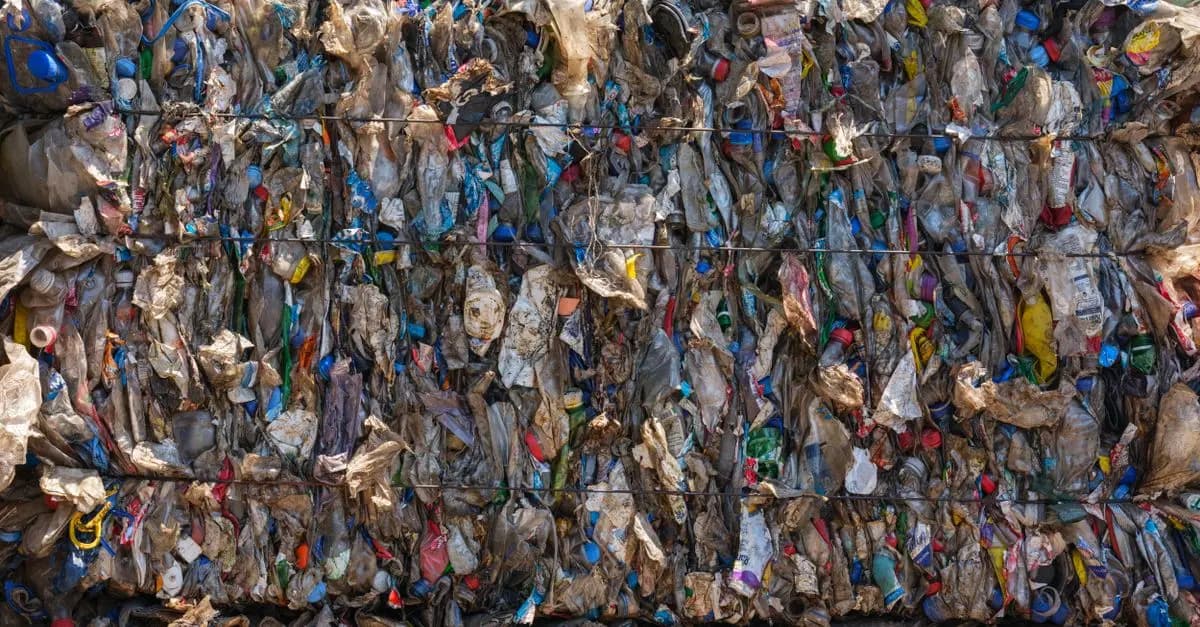
Managing junk effectively is critical in today's world, where waste disposal challenges continue to escalate. Junk management not only helps in decluttering our spaces, but it also plays a vital role in environmental conservation. It involves adopting sustainable practices that enhance recycling, reduce landfill contributions, and foster a cleaner planet. Here, we present the top five sustainable practices for effective junk management.
1. Embrace the 3 R's: Reduce, Reuse, Recycle
One of the fundamental principles of sustainable junk management is the concept of the 3 R's. "Reduce" emphasizes minimizing the amount of waste produced by purchasing only what is necessary. For example, buying products in bulk can significantly reduce packaging waste. "Reuse" encourages finding new ways to use items instead of discarding them. This could include donating old clothes or repurposing furniture. Finally, "Recycle" refers to processing materials to make new products, significantly reducing the demand for raw materials. According to the Environmental Protection Agency (EPA), recycling prevents the release of greenhouse gases that are responsible for climate change, illustrating the profound impact of these practices.
2. Utilize Multi-Functional Furniture
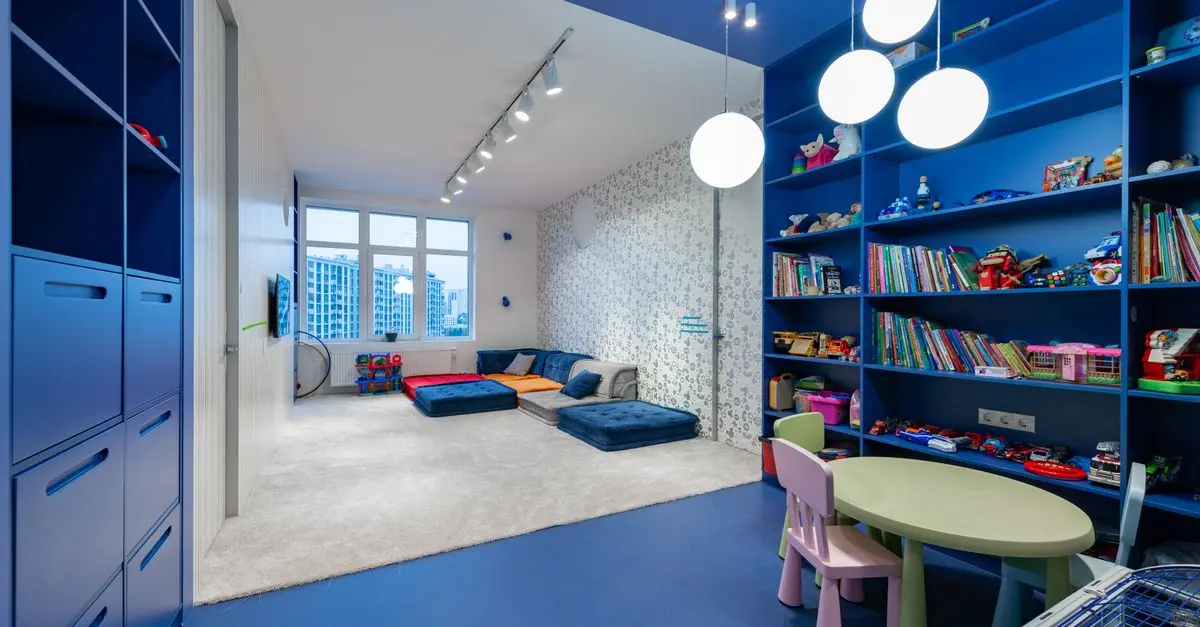
Choosing multi-functional furniture can significantly aid in managing junk more effectively. Items that serve multiple purposes—such as ottomans that open for storage or beds with built-in drawers—help minimize clutter. A 2019 study by the National Association of Home Builders indicated that the average home holds around 300,000 items. Selecting furniture that reduces the number of standalone pieces not only saves space but also promotes a more organized living environment. This approach is particularly beneficial for urban dwellers dealing with limited storage.
3. Implement a Waste Management System
Establishing a home waste management system is essential for managing junk efficiently. Creating designated bins for recyclables, compost, and general waste can streamline the process. According to the World Bank, global waste generation is expected to grow by 70% by 2050, emphasizing the need for organized waste management. A systematic approach to separating waste not only enhances recycling rates but also makes it easier to track waste disposal practices. For instance, using a compost bin for food scraps can significantly reduce the amount of organic waste sent to landfills.
📺 For further exploration: Effective Junk Management Techniques, find more on YouTube by searching: "sustainable junk management practices".
4. Digital Decluttering
In our increasingly digital world, junk isn't just physical; it exists in digital formats too. Taking time to organize and delete old files, emails, and apps can contribute significantly to reducing digital clutter. According to Statista, over 2.7 billion people used social media platforms in 2020, and managing these accounts can lead to a significant amount of unused data. Additionally, using cloud storage instead of physical drives can help keep your digital space organized while reducing electronic waste. Digital decluttering not only enhances productivity but can also lead to a more sustainable use of technology.
5. Schedule Regular Cleanouts
Finally, implementing a regular cleanout schedule can help maintain a junk-free environment. Setting aside time monthly or quarterly dedicated to going through spaces like closets, garages, and attics can prevent junk from piling up. The National Association of Professional Organizers suggests that regular decluttering can save time and reduce stress. By consistently assessing what is necessary, you can make informed decisions about which items to keep and which to donate or recycle, thereby optimizing your junk management efforts.
Checklist for Sustainable Junk Management
- [ ] Embrace the 3 R's: Reduce, Reuse, Recycle
- [ ] Invest in multi-functional furniture
- [ ] Set up a waste management system
- [ ] Conduct regular digital decluttering
- [ ] Schedule regular physical cleanouts
Glossary
| Term | Definition |
|---|---|
| Junk Management | The process of organizing, reducing, and recycling unwanted items. |
| Recycling | The process of converting waste materials into new products. |
| Decluttering | The act of removing unnecessary items from a space to enhance order. |
🧠 Quick Quiz
> What's the primary goal of the 3 R's?
> - A) To increase purchases
> - B) To minimize environmental impact
> - C) To encourage hoarding
> Answer: B — The 3 R's aim to reduce waste and promote sustainability.
Managing junk effectively requires conscious efforts and sustainable practices. By adopting strategies such as the 3 R's, investing in multi-functional furniture, and scheduling regular cleanouts, we can significantly enhance our environments while contributing to a healthier planet. Let’s all take part in responsible junk management today for a better tomorrow!
📺 Pour aller plus loin : sustainable junk management practices sur YouTube