Table of Contents (14 sections)
What is Junk Management?
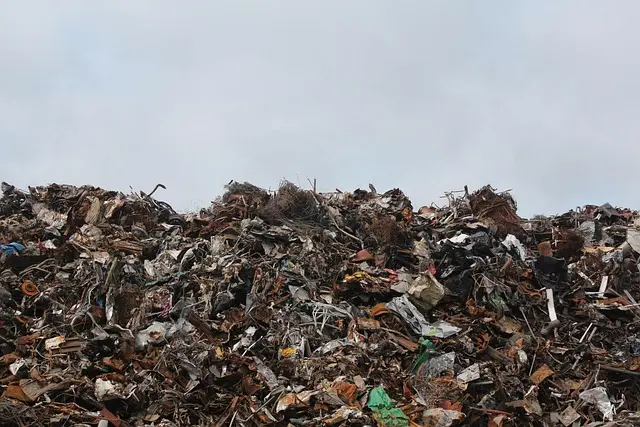
Junk management refers to the process of handling excess items that clutter our spaces. As more people become environmentally conscious, it's essential to adopt sustainable methods for disposing of unwanted items. The modern challenge is to manage clutter in ways that minimize the impact on our environment and promote recycling and reusing whenever possible. In 2026, statistics showed that the average American generated approximately 4.51 pounds of waste daily. This means that effective management strategies for dealing with junk are more crucial than ever. Various methods exist, from traditional disposal methods to innovative services that focus on sustainability. Effective junk management encompasses everything from decluttering tips to choosing the right disposal service, ensuring that our efforts lead to a healthier planet.
Step-by-Step Guide to Eco-Friendly Junk Disposal
- Assess Your Junk: Before taking any steps, determine what items you have. Categorize them into groups: keep, donate, recycle, and dispose. Common items that can be donated include clothing, furniture, and electronics that are still functioning. Donating helps reduce landfill waste and supports local charities.
- Research Local Recycling Options: Check your local waste management guidelines. Many communities have recycling programs that accept various materials, from plastics and metals to electronics. According to the Environmental Protection Agency (EPA), in 2025, about 35% of materials assigned for recycling were diverted from landfills.
- Explore Donation Services: Rather than throwing away usable items, consider donating to charities or organizations. Many organizations, such as Goodwill and the Salvation Army, accept a broad range of items. They often provide pick-up services, making it convenient to declutter while also helping those in need.
- Hire Green Junk Removal Services: For large-scale decluttering, hire a junk removal company that prioritizes eco-friendly practices. Research their recycling and disposal methods before hiring. According to a survey by UFC-Que Choisir, customers have reported satisfactory services when companies ensure that a significant portion of the junk is recycled or donated.
- DIY Recycling: For small items, consider DIY projects. Many old materials can be repurposed creatively. For instance, wooden pallets can become outdoor furniture, while glass jars can be transformed into decorative storage. Online platforms provide numerous ideas for repurposing junk, fostering creativity and reducing waste.
- Schedule Regular Declutter Sessions: Make decluttering a routine task. Set a monthly schedule to assess your possessions. This continual assessment can help maintain a clutter-free environment over time, ensuring that junk does not accumulate.
- Educate Yourself on What Can and Cannot Be Recycled: Different materials require distinct disposal methods. Plastic types, for instance, vary in recyclability. Always check your local recycling rules and be aware of what items must be disposed of differently to avoid contaminating recycling streams.
- Monitor Your Waste Disposal Habits: After implementing your recycling and disposal strategies, keep track of your waste. Use journals or apps to record how much you recycle vs. how much gets thrown away. Over time, adjust your habits to improve your eco-friendly practices even further.
Comparing Disposal Methods
| Disposal Method | Pros | Cons | Verdict |
|---|---|---|---|
| Donation | Supports the community, reduces landfill waste | Limited item acceptance | Highly recommended |
| Local Recycling Centers | Environmental benefits, promotes circular economy | May require transportation | Highly recommended |
| Landfill | Simple and fast | Pollutants, non-recyclables increase | Not recommended |
| Junk Removal Services | Convenient, saves time | Cost can vary | Recommended |
| DIY Upcycling | Reduces waste, creative opportunities | Time-consuming, requires skills | Recommended |
Data Insights on Waste Management
Waste management is critical to environmental sustainability. According to the EPA, approximately 94% of waste can be composted or recycled. Additionally, a report by Les Numériques indicated that in 2025, e-waste became the fastest-growing type of waste globally, with an estimated 54 million metric tons produced annually. This growing concern underscores the importance of effective junk management tactics to mitigate environmental damage and promote responsible disposal.
Frequently Asked Questions
What can I do with items that cannot be recycled?
Items that cannot be recycled should be disposed of responsibly. Check local waste management services for hazardous waste disposal days or drop-off locations.
How do I find eco-friendly junk removal services?
Look for services with a clear commitment to sustainability in their practices. Read reviews, check their recycling rates, and inquire about their disposal processes.
Is there a limit to what can be donated?
Most charities have guidelines on items they will accept. It’s best to call ahead and ask about specific items.
How often should I declutter my space?
Decluttering should be a regular practice. Consider doing it seasonally or monthly to maintain a clutter-free environment.
Glossary
| Term | Definition |
|---|---|
| E-Waste | Waste consisting of broken or obsolete electronic devices, often hazardous to the environment if not disposed of properly. |
| Recycling Streams | Various paths materials take after disposal, designed to maximize recycling and minimize contamination. |
| Upcycling | The process of transforming unwanted materials into new products of better quality or environmental value, enhancing their usefulness and lifespan. |
Checklist Before Disposal
- [ ] Assess all items to determine donation viability
- [ ] Familiarize yourself with local recycling guidelines
- [ ] Schedule pick-up or drop-off for donations
- [ ] Research and select a reliable junk removal service
- [ ] Set a decluttering schedule
- [ ] Engage in DIY upcycling for small items
- [ ] Monitor your disposal habits for adjustments
Quick Quiz
> 🧠 Quick Quiz: What’s the most eco-friendly junk disposal method?
> - A) Throw it in the trash
> - B) Donate it
> - C) Leave it on the curb
> Answer: B — Donation supports those in need and reduces landfill waste.
📺 Resource Video
📺 For further insights: Explore the most effective methods for eco-friendly junk disposal, a comprehensive analysis of sustainable practices. Search on YouTube: "eco-friendly junk disposal solutions".
📺 Pour aller plus loin : eco-friendly junk disposal solutions sur YouTube