Table of Contents (10 sections)
When it comes to junk collection management, preparation is key. Whether you're decluttering your home or getting ready for an annual collection, these steps will ensure the process goes smoothly and efficiently. Below, we outline a comprehensive guide with practical advice and common pitfalls to avoid.
1. Understand Your Local Regulations
Before you begin preparing for your junk collection day, it's essential to familiarize yourself with the local rules and guidelines concerning waste disposal. Each municipality has specific regulations regarding what items are allowed for collection and how they should be prepared.
Check your city or town's website to verify the list of acceptable items. For example, many areas do not permit hazardous materials, electronics, or construction debris to be picked up on regular junk collection days. Knowing these rules not only saves you from potential fines but also contributes to environmental preservation by ensuring proper disposal of harmful substances.
Additionally, familiarize yourself with the collection schedule. Many towns offer designated days for large items, so if you're planning a clean-out, time it according to this schedule. If you’re uncertain, calling your local waste management authority can provide clarification. Planning ahead gives you the time to sort through your belongings and gather everything needed for collection.
2. Sort Your Belongings
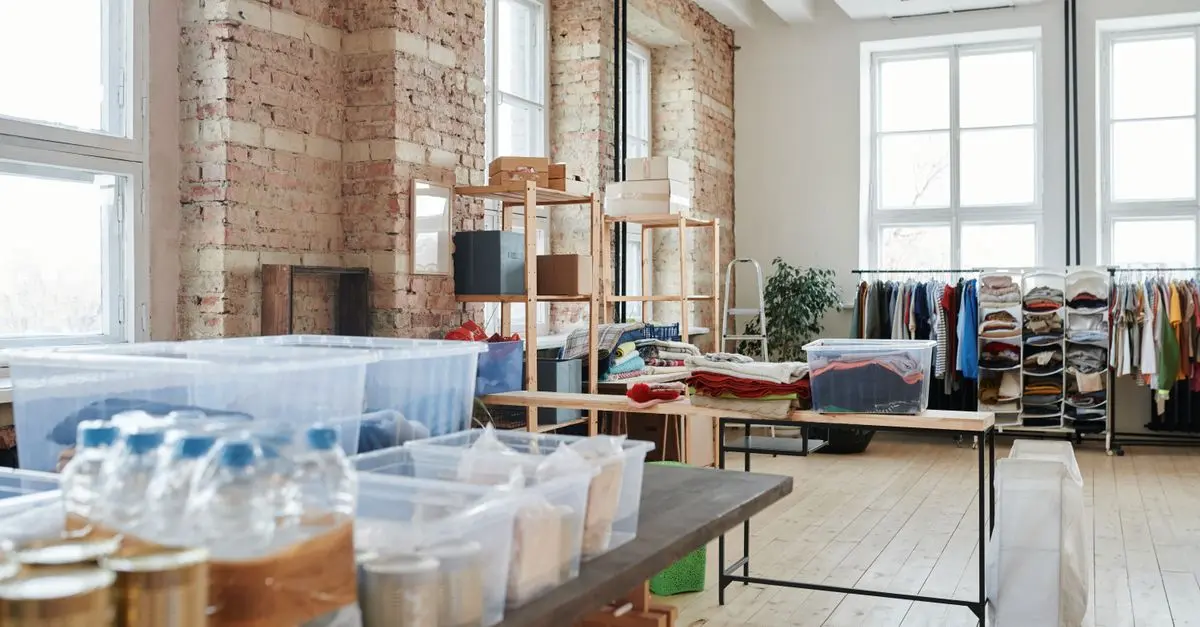
Next, it’s time to tackle the sorting process. This part of junk collection management is crucial. Start by gathering all items in a designated area. You may want to consider a separate space for items you wish to keep, donate, recycle, or dispose of.
A helpful method to follow is the Four-Box Method:
- Keep Box: Items you want to keep.
- Donate Box: Good condition items that can benefit others.
- Recycle Box: Paper, plastic, glass, and metals that are recyclable.
- Trash Box: Items that are broken beyond repair or hazardous.
While sorting, be honest about the utility of each item. If you haven't used it in a year, consider whether it deserves a spot in your home. This step will drastically reduce clutter and make your life easier on collection day.
3. Prepare Items for Collection
Once you've sorted through your belongings, it's time to prepare the items for collection. Properly preparing your junk not only facilitates an easier pickup for waste management but also demonstrates respect for the environment and your local community.
- Clean Items: Remove any dirt or debris from your items. This is particularly important for appliances and furniture, helping avoid pests and ensuring hygiene.
- Disassemble Large Items: If you're getting rid of large furniture or equipment, disassembling them can save space. For instance, removing legs from a couch or detaching the doors of cabinets can make it easier for the collection crew.
- Bundle Up: For items like branches, sticks, and cardboard, bundling them together with twine can make it easier for collection crews to handle. Make sure these bundles are within the size limits specified by your local waste authority.
By taking these steps, you'll create a more efficient process for both yourself and the collection team.
4. Double-Check Your Collection Schedule and Method
As the junk collection day approaches, double-check the collection schedule. Some municipalities have specific time frames for junk pickup, and being aware of this can prevent unnecessary last-minute scrambling. Mark the date on your calendar and set reminders as the day approaches.
Additionally, consider how your items will be collected. Will you need to place them curbside? If so, ensure you understand how far from the road your items should be positioned and how they should be arranged.
Some places only allow certain sizes or quantities of items per collection day. Check if there are any restrictions on how many large items can be placed out for collection to avoid any misunderstandings or fines.
5. Be a Good Neighbor
On the day of your junk collection, it's important to be mindful of your neighbors and the surrounding environment. Ensure that your items are neatly arranged and that they do not obstruct the sidewalk or road. Being courteous not only reflects well on you but also helps maintain good relationships in your neighborhood.
If you're collecting items from a shared location, like an apartment complex or a street with multiple houses, consider coordinating with your neighbors. This can often lead to a smoother process, as collection crews can pick up multiple items at once without needing to make extra stops. Plus, it's a great way to involve your community in responsibly managing waste.
6. Follow Up
After your junk collection day, take a moment to assess the impact of your decluttering efforts. Did you manage to get rid of the items you no longer needed? How did the collection process go? Gathering feedback allows you to refine your approach for future collections.
Consider establishing a routine for decluttering, such as a quarterly cleanup. This not only ensures that your home remains organized but also contributes to sustainable waste management practices in your area. Updating your collection habits can help keep unnecessary items from accumulating over time.
📺 Resource Video
> 📺 For further insights: How to Effectively Declutter Your Home, a complete analysis of junk collection strategies. Search on YouTube: how to declutter wisely.
Checklist before Collection
- [ ] Review local regulations for junk collection.
- [ ] Complete sorting of items into keep, donate, recycle, and trash.
- [ ] Prepare items by cleaning and disassembling where necessary.
- [ ] Double-check the collection date and method.
- [ ] Ensure items are neatly placed for collection.
Glossary
| Term | Definition |
|---|---|
| Junk Collection | The process of disposing of items that are no longer needed using municipal services. |
| Recycling | The process of converting waste into reusable material to minimize waste in landfills. |
| Hazardous Waste | Any waste material that poses a risk to human health or the environment due to its toxic properties. |
> 🧠 Quick Quiz: What should you do with hazardous waste?
> - A) Dispose of it in regular trash.
> - B) Take it to a special disposal site.
> - C) Burn it.
> Answer: B — Hazardous waste must be handled carefully and typically disposed of at designated facilities.
Whether you are making space for new belongings or simply reducing clutter, being prepared for your junk collection day can make a significant difference in your experience. By following these steps, you can achieve a hassle-free cleanout. Happy decluttering!
📺 Pour aller plus loin : how to declutter wisely sur YouTube