Table of Contents (12 sections)
Organizing a neighborhood junk collection can greatly benefit your community. This initiative helps to declutter homes while encouraging communal cooperation. With proper planning and execution, you can transform your neighborhood into a cleaner, more inviting space. In this guide, we will explore the process of managing waste collection, step by step.
1. Information Gathering: Understanding the Need
Before diving into planning, it’s crucial to assess the need for a junk collection event in your neighborhood. According to data from ADEME, over 36% of household waste in urban areas could be classified as reusable junk. Residents may accumulate unwanted items like old furniture, appliances, or yard debris that could be repurposed or recycled. Initiate discussions with neighbors to gauge their interest and accumulated junk. You can create a poll or survey to collect feedback on common items people wish to dispose of. The more junk you collect, the more effective the project will be in beautifying the neighborhood.
2. Establish a Planning Committee
Once you've determined that a junk collection is desired, the next step is forming a planning committee. A well-rounded committee includes a mix of community volunteers, local business representatives, and someone knowledgeable about local waste management regulations. This group should have a clear outline of responsibilities, such as communication, logistics, and materials acquisition. Diligent planning ensures that no detail is overlooked, paving the way for a successful event. Set regular meetings to track progress and adjustments. Organizing an event of this scale typically requires a team effort, so harness the skills of your neighbors to maximize efficiency.
3. Set a Date and Promote the Event
Choose a date that allows ample time for preparation and public promotion. Weekends often work best since people are likely to be available. Consider factors such as the weather and potential conflicts (holidays, local events). Once the date is set, it's essential to promote the event extensively. Utilize community boards, social media platforms like Facebook, and local news outlets to raise awareness and excitement. Flyers can also work in engaging local businesses where residents gather. The goal is to reach as many members of your community as possible, ensuring an inclusive turnout.
4. Collaborate with Local Waste Management Services
Engaging with local waste management services is essential. These organizations can provide guidance on safe disposal techniques, recycling options, and logistics regarding pickup after the event. Sometimes, they can also provide necessary equipment, such as trucks and personnel. Confirm their availability on your selected date and discuss what types of junk can be collected. It's essential to abide by local regulations. For instance, some organizations may disallow hazardous materials or offer separate disposal options for electronics. This collaboration not only safeguards the event's safety but reinforces community ties.
5. Carefully Sort Collected Junk
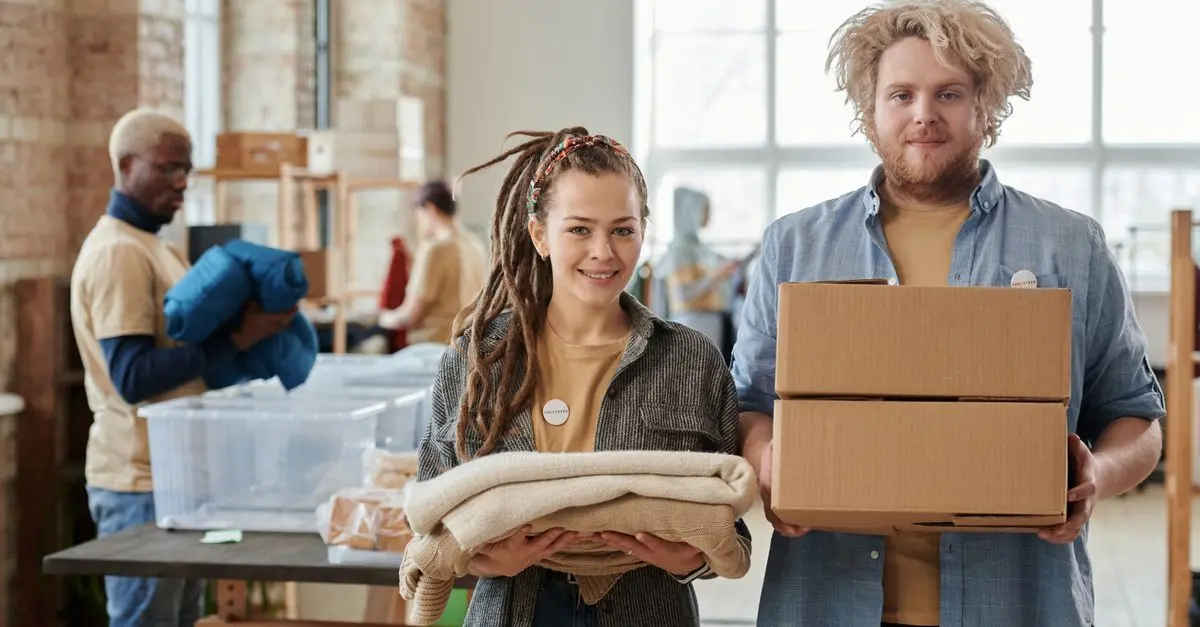
On the day of the event, set up designated areas for sorting collected items. This step is crucial for ensuring that recyclables, resellable items, and actual waste are appropriately categorized. Rely on community members or volunteers to assist in sorting junk to promote teamwork and interaction. Provide clear signage to minimize confusion, indicating where each type of waste should be placed. For example, while some furniture may be reused, others might need repairing before they can be sold. Engaging the community in this way can help foster a sense of ownership and pride in their shared space.
6. Hold a Community Clean-Up Post-Collection
After the junk has been collected and sorted, consider organizing a community cleanup. This event can enhance the neighborhood’s appearance and attract more residents to contribute. Bring brooms, trash bags, and perhaps refreshments for volunteers—small incentives can tremendously enhance participation. A community clean-up not only fosters a connection between residents but can also serve as a chance to celebrate the efforts undertaken together. Residents may be surprised to see how much cleaner their shared spaces can become through collective effort.
7. Follow Up and Celebrate Success
Once the collected junk has been disposed of, and the cleanup is complete, don’t forget to follow up with participants. Send out thank-you notes or emails to acknowledge individual efforts and contributions. Celebrating your success can be done through a small get-together, sharing photos from the event, or discussing further initiatives that can sustain the momentum achieved. Moreover, collecting testimonials or feedback can help you evaluate what worked and what did not, guiding better organization in future events.
Checklist before Organizing Your Event
- [ ] Assess community interest and collect feedback
- [ ] Form a planning committee
- [ ] Set a date and promote the event
- [ ] Collaborate with local waste management services
- [ ] Set up sorting areas for collected junk
- [ ] Organize a community clean-up post-collection
- [ ] Send follow-up notes to participants
💡 Expert Tip: Make use of social media polls to engage community members in selecting the best date for the collection event, ensuring maximum participation.
📺 Resource Video
> 📺 For more insights: Watch a comprehensive guide on organizing a neighborhood cleanup. Search on YouTube: "how to organize a neighborhood junk collection 2026".
Glossary
| Terme | Définition |
|---|---|
| E-waste | Waste electronic and electrical devices that are discarded. |
| Recycling | The process of converting waste materials into reusable material. |
| Household junk | Unwanted items accumulated in a home that may clutter living spaces. |
Quiz rapide:
> 🧠 Test your knowledge: What is the primary goal of organizing a junk collection?
> - A) To declutter homes
> - B) To socialize with neighbors
> - C) To improve property values
> Réponse : A — The primary goal is to declutter homes, enhancing the neighborhood's aesthetic.
📺 Pour aller plus loin : how to organize a neighborhood junk collection 2026 sur YouTube