Table of Contents (11 sections)
Organizing a neighborhood junk collection can significantly help maintain the cleanliness of your community. Not only does it reduce clutter, but it also strengthens neighborly bonds and promotes environmental responsibility. This tutorial will guide you step-by-step on how to effectively manage such an initiative, ensuring a productive and hassle-free experience for all participants.
1. Define Your Objectives and Gather Community Support
Before diving into the logistics, take a moment to define your goals for the junk collection. Are you focusing on cleaning up specific types of waste, such as furniture, appliances, or yard debris? Engage with your neighbors through community meetings or social media to gauge their interest and gather valuable insights. According to a survey by UFC-Que Choisir, communal waste collection initiatives increase neighborhood interaction and responsibility.
Here's how you can build support:
- Host a Kick-off Meeting: Gather interested residents to discuss objectives.
- Utilize Social Media: Create a Facebook group or a neighborhood app for communications.
- Distribute Flyers: Provide information about the event and gather input on what types of items people want to dispose of.
2. Set a Date and Location
Choosing the right date and location is crucial for maximizing participation. Aim for a weekend when most residents are available and consider local holidays that may affect attendance.
Location Tips:
- Community Park: A public location can accommodate more residents.
- Parking Lot: Use a local business’s parking area, securing permission in advance.
- Home Drop-off Point: Some may prefer to bring their junk directly to a designated home.
Consider the projected weather when selecting a date, as inclement weather may deter participation. A sunny day can contribute to a more pleasant experience and increase attendance.
3. Coordinate Logistics and Local Resources
Once the date and location are set, you'll need to coordinate logistics. This includes:
- Contracting a Waste Disposal Service: Reach out to local waste management companies. Some offer special rates or services for community events.
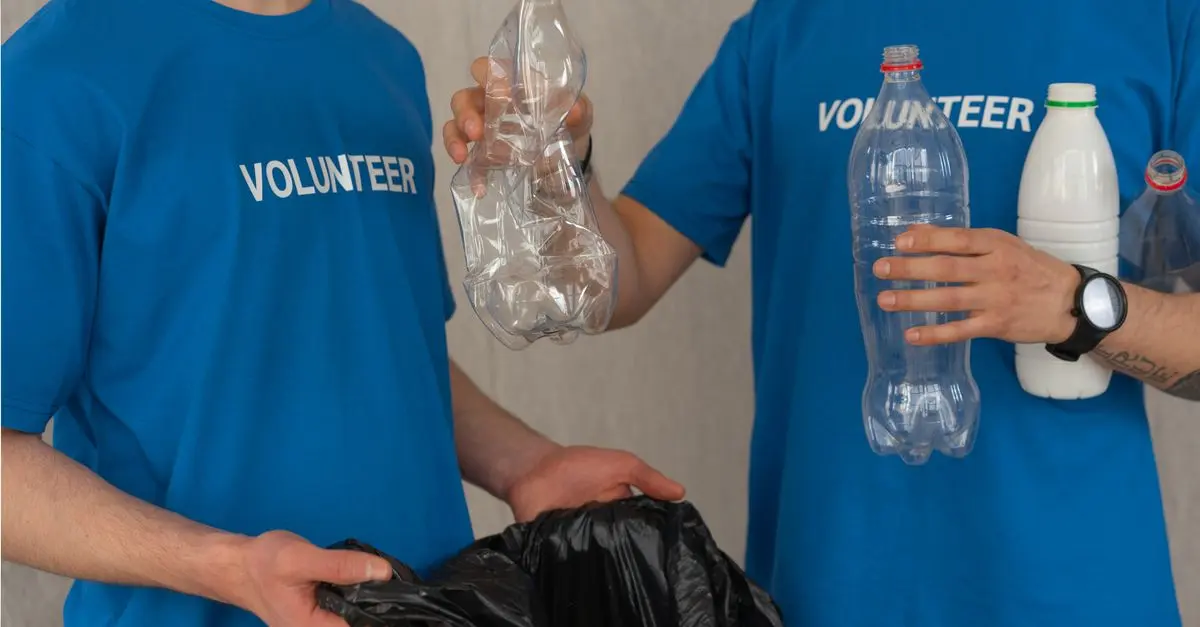
- Assessing Volunteer Needs: Identify willing volunteers to help set up, collect waste, and manage logistics on the day of the event. Organize a team of 5-10 volunteers, depending on the size of the project.
- Gathering Supplies: Secure necessary supplies like gloves, trash bags, and tools for dismantling items. According to the INSEE, communities that organize collectively report a 30% higher waste collection efficiency.
Essential Supplies List:
- Trash bags
- Gloves (sizes for all participants)
- Tools for disassembly (screwdrivers, hammers)
- Water bottles for volunteers
4. Promote the Event
Marketing your initiative is essential for ensuring maximum participation. Use multiple channels for effective outreach:
- Social Media Posts: Regular updates about the event leading up to the collection day.
- Community Newsletters: If your neighborhood has a newsletter, ask to include an announcement.
- Post Flyers: Place flyers in community centers, local businesses, and on community boards.
Encourage participants to spread the word. Offer small incentives, such as refreshments or a raffle, to motivate participation. According to community feedback, events with refreshments generally have a higher turnout.
5. Execution Day: Roles and Responsibilities
On the day of the event, ensure that everyone is aware of their roles. Responsibilities may include:
- Check-in Table: Set up a table for volunteers to sign in and collect supplies.
- Collection Teams: Create teams responsible for specific areas or types of junk.
- Information Booth: Have a booth where residents can ask questions.
Execution Tips:
- Start Early: Begin setup at least an hour before the planned start time.
- Safety First: Ensure all volunteers wear gloves and follow safety protocols when handling larger or hazardous items.
- Communication is Key: Keep radio contact or group messaging for queries and updates throughout the event.
📺 Resource Video
> 📺 For further insight: Learn how to effectively organize a neighborhood junk collection and maximize participation. Search on YouTube: "neighborhood junk collection tips 2026".
6. Disposal and Follow-up
After the collection, ensure that the junk is disposed of properly. Coordinate with your waste disposal service to pick up the collected items promptly. Follow up with participants via your previously established channels to thank them for their involvement and share results of the cleanup. According to feedback from previous initiatives, communities that follow up report a greater willingness from residents to participate in future events.
Checklist Before Your Neighborhood Junk Collection
- [ ] Define objectives and gather community support
- [ ] Set a date and location
- [ ] Coordinate logistics with waste management
- [ ] Promote the event across multiple channels
- [ ] Prepare for the execution day
Glossary
| Term | Definition |
|---|---|
| Waste Management | The collection, transportation, and disposal of garbage and recyclables. |
| Community Engagement | Involvement of residents in public decision-making and community events. |
| Volunteer Coordination | The process of organizing and directing individuals who offer their time to assist with community activities. |
---
📺 Pour aller plus loin : neighborhood junk collection tips 2026 sur YouTube