Table of Contents (16 sections)
Managing junk effectively is crucial for a cleaner environment. Sustainable junk management involves reducing waste, recycling, and disposal practices that minimize environmental impact. By adopting sustainable practices, you help mitigate pollution and conserve resources. With more municipalities focusing on green waste management initiatives, understanding the options available can empower you and your community. By maximizing our efforts toward recycling and responsible disposal, we can address the junk problem beneficially for both humans and the planet.
Understanding the Benefits of Recycling
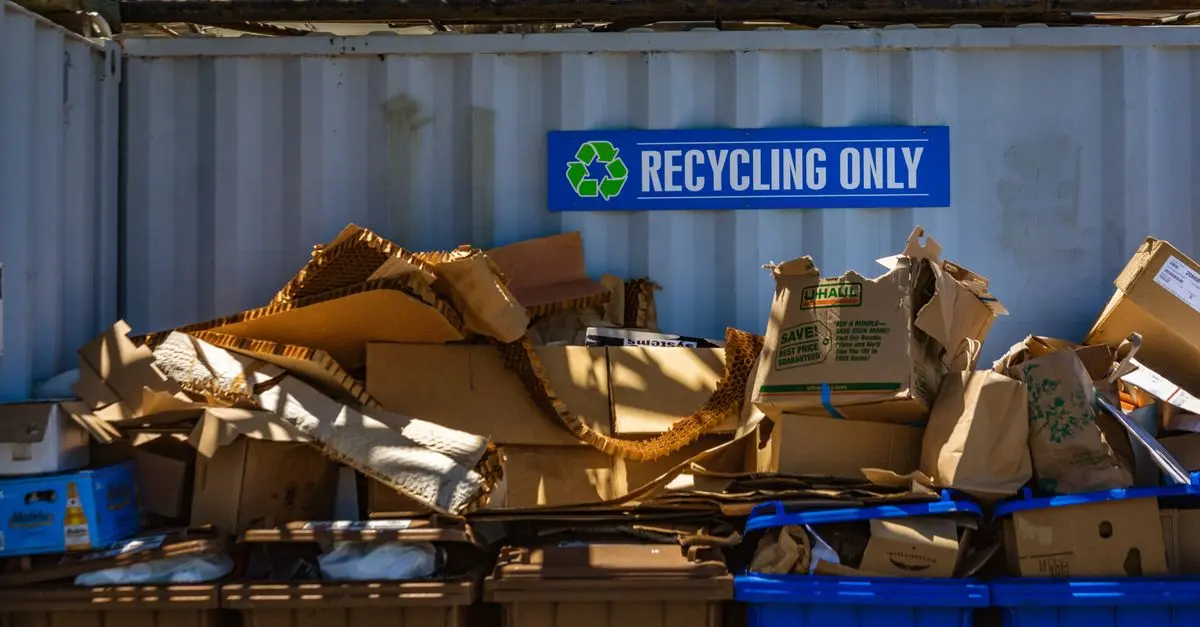
Recycling offers numerous benefits, including conserving natural resources and reducing greenhouse gas emissions. According to the EPA, recycling and composting prevented the release of 186 million metric tons of carbon dioxide equivalent into the air in 2013. In practical terms, recycling saves energy: recycling aluminum uses 95% less energy than producing new aluminum from raw materials. Furthermore, recycling contributes significantly to the economy, creating jobs and reducing the costs of waste management for municipalities. By participating in recycling programs, individuals not only help their communities but also participate in a larger global effort to create a sustainable future.
Step-by-Step Guide to Junk Management
1. Assess Your Junk Situation
Begin with a thorough assessment of your current junk situation at home or in your office. Categorize items by type—electronics, furniture, clothing, and general waste. Understanding what you have is key to figuring out what can be reused, recycled, or discarded. Make lists of similar items, ensuring you include quantities and conditions. For example, old electronics can often be recycled but may require special handling.
2. Prioritize Items for Disposal
Identify which items are most urgently in need of disposal. Focus on items that are beyond repair or no longer serve a function in your life. Arrange the items into three categories: keep, donate, and discard. Aim for at least 30% of your items to be removed from your space, reducing clutter and enhancing your environment.
3. Find Local Disposal Options
Research your area's disposal options, including specialized junk removal services, municipal waste management programs, and donation centers. Many cities have designated days for bulk waste pickup or option scrap yards. Earth911 is a valuable resource for finding recycling locations for various materials, from plastic to electronics. Ensure you're properly informed about any fees or regulations before proceeding.
Comparative Analysis of Junk Management Options
| Criterion | Traditional Disposal | Recycling Services | Donation Services | Private Junk Removal |
|---|---|---|---|---|
| Cost | Low to moderate | Minimal fees | Often free | Higher costs |
| Environmental Impact | High waste contribution | Low waste, eco-friendly | Reduces landfill waste | Varies, depends on service |
| Effort Required | Low (curbside pickup) | Medium (requires sorting) | Low (drop-off centers) | High (schedule and payment) |
| Time Consumption | Minimal | Moderate (pickup times) | Minimal (store hours) | Variable (schedule needed) |
| Verdict | Least sustainable | Best for reducing impact | Good for reusing items | Quick but costly |
Adopting a recycling mindset can transform how we perceive junk and waste. By evaluating our options, we can make more informed decisions on how to manage our waste better.
Analyzing Current Trends in Junk Management
The global focus on sustainability has increased awareness regarding junk management practices. According to International Data Corporation (IDC), e-waste will reach over 75 million metric tons by 2030, significantly stressing our existing waste management systems. Municipalities are reacting by investing in infrastructure that promotes recycling. For example, some areas have implemented pay-as-you-throw programs to encourage responsible waste disposal by connecting waste to costs directly. Understanding these trends can aid in planning significant actions that improve community engagement.
📺 Resource Video
> 📺 For further exploration: Essential Tips for Sustainable Junk Management, a comprehensive look into modern junk management practices. Search on YouTube for: "sustainable junk management practices 2026".
Frequently Asked Questions
What is junk management?
Junk management refers to the processes involved in disposing of, recycling, or donating unwanted items. It's a way to manage waste sustainably.
Why is recycling important in junk management?
Recycling minimizes waste in landfills, conserves natural resources, and reduces pollution, making it a key aspect of sustainable junk management practices.
How can I make my junk management more sustainable?
You can sort items for recycling, use local donation centers, and explore community programs focused on junk management to adopt more sustainable practices.
What are e-waste management best practices?
Keep e-waste separate and recycle it at designated locations. Many retailers offer take-back programs for electronics, preventing significant environmental harm.
Glossary
| Term | Definition |
|---|---|
| E-waste | Discarded electronics that can contain hazardous materials but also valuable recyclable materials. |
| Sustainable Practices | Methods or lifestyles that balance environmental health, economic viability, and social equity. |
| Waste Diversion | The process of redirecting waste materials from landfills to recycling or reuse alternatives. |
Checklist for Sustainable Junk Management
- [ ] Assess the amount of junk in your space.
- [ ] Sort items into categories: keep, donate, recycle.
- [ ] Research local recycling options.
- [ ] Schedule donation pickups or drop-offs.
- [ ] Connect with local junk removal services if necessary.
- [ ] Engage family or friends in the decluttering process.
- [ ] Monitor future junk accumulation to maintain a clean space.
Give your junk a second chance—take action today to engage in sustainable junk management practices!
📺 Pour aller plus loin : sustainable junk management practices 2026 sur YouTube