Table of Contents (11 sections)
Creating a clutter-free space is not just about aesthetics; it significantly impacts your mental well-being and productivity. With the constant influx of items in our lives, managing clutter has become more important than ever. In this guide, we will explore essential steps for effective clutter management that will help you regain control over your environment and improve your overall quality of life.
1. Define Your Goals
Before diving into the organizational process, it's crucial to define what you want to achieve with your clutter management. Are you aiming for a minimalist aesthetic, or do you want a more functional space that accommodates your family’s needs? Setting clear goals allows you to tailor your decluttering efforts to align with your lifestyle.
For instance, if your goal is to create a serene bedroom atmosphere, consider keeping only essential items on display, such as a bedside lamp and a few personal touches. Alternatively, if you have children, your focus may shift towards organizing toys and creating a play area that is easy to maintain. According to a survey by the American Psychological Association, 65% of people feel stressed by clutter, making it vital to create spaces that promote calmness and productivity.
2. Assess Your Space
Take a moment to observe your living areas critically. Walk through each room and take notes on what works and what doesn’t. Utilizing a checklist can streamline this process:
- [ ] Identify crowded areas.
- [ ] Note items that you haven’t used in the past year.
- [ ] Recognize spaces that lack functional purpose.
When assessing your space, consider the flow of movement—rooms should allow easy access to essential items. Identify zones designated for work, relaxation, and recreation. This way, you can better prioritize items you truly need in each space. Avoid common pitfalls such as holding onto sentimental items; it can be challenging but understanding when to let go is key.
3. Create a Decluttering Plan
After your assessment, it’s time to devise a concrete plan for decluttering. Break your tasks into manageable chunks to avoid feeling overwhelmed. A recommended method is the Marie Kondo method, which encourages you to tackle one category at a time, such as clothing, books, or kitchen items.
For example, start with clothes: pull everything out of your closet, ask yourself if each piece sparks joy or serves a purpose, and then sort them into keep, donate, or throw away. Both organizational experts and personal stories highlight the importance of having a systematic approach. This structured method keeps you focused and prevents the process from feeling chaotic. Additionally, setting a timeline for each decluttering session motivates you to reach your goals efficiently.
4. Sort Items Effectively
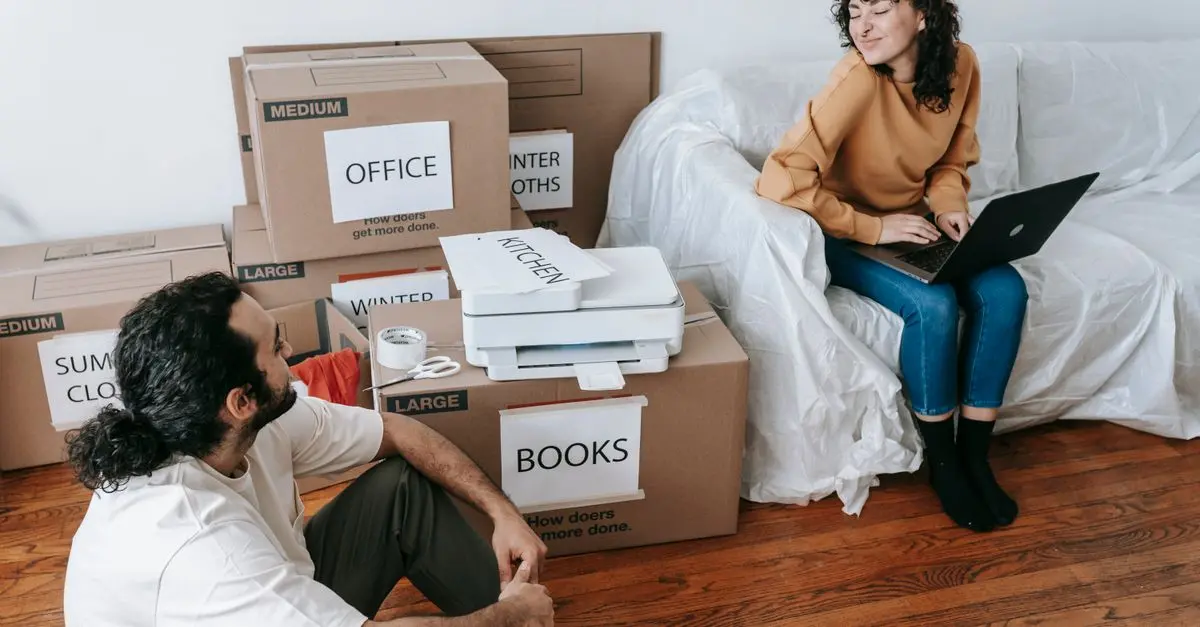
Now comes the task of sorting through your belongings. Use bins or boxes labeled with categories such as "Keep," "Donate," "Sell," and "Trash." This system encourages you to make quick decisions about your belongings and reduces the likelihood of procrastination. Statistics from UFC-Que Choisir show that nearly 85% of items in average homes are rarely used, indicating you likely have much to sort through.
Common mistakes during sorting include:
- Holding onto items due to guilt or obligation.
- Misjudging sentimental items as valuable.
- Underestimating the time required for sorting.
By avoiding these pitfalls, you can streamline your decluttering process. Remember that the goal is not to eliminate everything you own but to keep only what adds value and joy to your life.
5. Organize the Remaining Items
Once you've sorted your belongings, the next step is organizing what you plan to keep. Utilize storage solutions like shelves, baskets, and drawer organizers to maximize space and maintain accessibility. For instance, placing frequently used items at eye level and storing seasonal items in higher spaces can enhance convenience.
When organizing, consider grouping items by function. For example, in the kitchen, keep all baking supplies together and those related to meal prep in another zone. Great visuals aid in relationships with space, so ensure everything is visible and easy to reach.
💡 Expert Tip: Invest in multifunctional furniture, such as ottomans with hidden storage, to maximize your available space and reduce visible clutter. This practice not only enhances organization but also keeps your areas looking tidy.
6. Maintain a Clutter-Free Environment
After completing the decluttering and organizing phases, maintenance is crucial to prevent clutter from returning. Implement a daily routine where you spend 10-15 minutes tidying up. This short habit significantly reduces the build-up of mess over time. Consider using the one-in-one-out rule: for every new item you bring into your home, remove one old item.
Furthermore, develop a habit of reassessing your space every few months. Life changes, and so do our needs; therefore, staying proactive about organizing helps maintain the clarity and peace within your surroundings. Over time, you'll find that routine cleaning becomes easier, and your environment will continue to be an uplifting space.
📺 Resource Video
> 📺 For further insights: How to Declutter Your Home in a Weekend, a comprehensive guide. Search on YouTube: "how to declutter your home in 2026".
Checklist before decluttering
- [ ] Define your decluttering goals.
- [ ] Assess each room critically.
- [ ] Create a detailed decluttering plan.
- [ ] Sort items into designated categories.
- [ ] Find effective storage solutions.
- [ ] Establish a maintenance routine.
Glossary
| Term | Definition |
|---|---|
| Clutter | An accumulation of items that create disorder in a space, often leading to stress. |
| Decluttering | The process of removing unnecessary items from a space to create organization and cleanliness. |
| Multi-functional furniture | Furniture designed to serve multiple purposes, such as storage and seating in one piece. |
---
📺 Pour aller plus loin : how to declutter your home in 2026 sur YouTube